techdigitalorg

Business Products & Services

Questions About You Must Know the Answers To

Excavation Essentials for Construction and Development Projects

When you’re planning a construction or development project, excavation is often one of the first and most critical steps. Whether you’re building a new home, commercial property, or infrastructure, excavation plays a vital role in preparing the site for construction. In this article, we’ll explore the importance of excavation, the different types of excavation, and what you need to consider when planning an excavation project.

Excavation is the process of removing soil, rock, and other materials from a site to create a hole or trench. This process is essential for laying the foundation of a building, installing underground utilities, and creating a stable base for construction. Without proper excavation, a project can be plagued by structural issues, safety hazards, and costly delays. For instance, if the soil is not properly excavated, it can lead to uneven foundation settlement, which can cause cracks in walls and ceilings, and even collapse.

There are several types of excavation, including trenching, digging, and site clearing. Trenching involves digging a narrow, deep hole for utilities such as pipes and cables. Digging involves removing soil and rock to create a hole or pit, often for a foundation or basement. Site clearing involves removing debris, trees, and other obstacles to prepare the site for construction. Each type of excavation requires careful planning and execution to ensure safety and efficiency. For example, trenching requires specialized equipment and techniques to prevent soil collapse and ensure worker safety.

When planning an excavation project, there are several factors to consider. First, you need to assess the site conditions, including the type of soil, rock, and water table. This information will help you determine the best excavation method and equipment to use. You also need to consider environmental factors, such as nearby water sources, wetlands, and endangered species. Additionally, you need to ensure that your excavation project complies with local regulations and zoning laws. Failure to comply can result in fines, delays, and even project shutdowns.

Another critical aspect of excavation is safety. Excavation sites can be hazardous, with risks of cave-ins, falls, and equipment accidents. To mitigate these risks, you need to implement a comprehensive safety plan, including proper training, equipment maintenance, and site monitoring. This plan should also include emergency response procedures in case of an accident. For instance, in case of a cave-in, workers should know how to respond quickly and safely to prevent further injury.

The equipment used for excavation also plays a crucial role in the project’s success. The type of equipment used will depend on the site conditions, the type of excavation, and the project requirements. Common excavation equipment includes backhoes, excavators, and bulldozers. These machines can be equipped with various attachments, such as buckets, rippers, and hammers, to handle different types of soil and rock. Choosing the right equipment for the job can help you complete the project efficiently and safely.

In addition to the technical aspects of excavation, it’s also essential to consider the environmental impact of your project. Excavation can disrupt ecosystems, contaminate water sources, and generate significant amounts of waste. To minimize these impacts, you should implement sustainable excavation practices, such as reusing excavated materials, minimizing soil disturbance, and protecting nearby habitats. For example, you can use excavated soil to create a berm or a landscape feature, reducing the need for imported materials.

In conclusion, excavation is a critical component of construction and development projects. By understanding the importance of excavation, the different types of excavation, and the factors to consider when planning an excavation project, you can ensure a safe and successful project. Whether you’re a seasoned developer or a homeowner, excavation essentials will help you navigate the complexities of site preparation and create a solid foundation for your project. With careful planning, attention to safety, and a commitment to sustainability, you can ensure that your excavation project sets the stage for a successful and stress-free construction experience.

Learning The Secrets About

Overwhelmed by the Complexity of ? This May Help

What Research About Can Teach You

Picking the Right Washroom Remodel Service Providers
Starting a bathroom remodel can be an exciting yet difficult job. Your washroom is one of one of the most individual rooms in your home, and picking the right service provider can suggest the difference in between a desire remodelling and a headache. Whether you’re seeking to update components for much better functionality or make visual adjustments to raise your room, understanding exactly how to select a qualified washroom remodel contractor is essential.

Begin by seeking referrals from good friends, family, or colleagues who have actually just recently undertaken a shower room improvement. Personal recommendations can provide insights right into the professional’s job high quality, reliability, and professionalism and trust. Furthermore, examining on-line reviews and endorsements on systems like Google, Yelp, or Angie’s Checklist can even more assist you assemble a listing of potential candidates. Search for contractors who are certified, guaranteed, and have experience especially in restroom makeover, as this expertise can make a substantial distinction in the final end result.

As soon as you have actually shortlisted a few contractors, it’s important to carry out detailed interviews. Prepare inquiries concerning their previous tasks, design choices, and exactly how they manage setbacks or obstacles throughout the remodeling process. Ask about their timeline, costs, and whether they use a comprehensive quote before starting the work. This stage is not almost assessing their abilities however additionally regarding establishing if you really feel comfy connecting with them throughout the project. You desire a service provider who values your input and vision for the remodel.

After limiting your alternatives, it’s time to review agreements very carefully. Guarantee that all aspects of the job are outlined, including repayment schedules, timelines, and service warranty information. A credible service provider should offer a thorough written contract and be willing to address any kind of more inquiries. Furthermore, it’s a good idea to look for any kind of previous grievances with the Bbb or your local licensing board to avoid possible issues down the line.

In conclusion, selecting the right bathroom remodel service provider includes cautious study, clear interaction, and thorough consideration of all variables involved. Completion outcome need to straighten with your vision while also sticking to high-grade requirements. Take your time to evaluate possible professionals, as the ideal choice will not only change your shower room but likewise guarantee a smooth remodeling experience. With the ideal team on your side, you can look forward to enjoying a gorgeous and practical room for many years to come.

Figuring Out

The 4 Most Unanswered Questions about

Discovering The Truth About

Ski-Doo Dealer: Your Portal to the Best Snowmobiling Experience

If you’re an exterior lover seeking to accept the excitement of snowmobiling, locating a trustworthy Ski-Doo supplier is necessary. Ski-Doo, a brand renowned for its ingenious snowmobiles, offers a diverse range of designs to match various riding styles and ability degrees. A great dealer does not simply offer snow sleds; they supply a riches of expertise, support, and solutions that can boost your entire snowmobiling experience.

When searching for a Ski-Doo supplier, consider their track record in the area and the series of services they offer. A reputable dealer will certainly give more than simply sales; they need to additionally supply upkeep, fixings, and components. This is crucial since maintaining your snowmobile in leading shape is important for safety and security and performance. Seek dealerships who have actually licensed technicians that are fluent in all aspects of Ski-Doo snow sleds, making sure that your machine is always ready for the trails.

In addition to crucial solutions, a terrific Ski-Doo dealership will have a substantial supply of both brand-new and previously owned snow sleds. If you’re brand-new to snowmobiling, take the time to speak to the dealership about your riding choices and skill level. This communication will assist them suggest the perfect design for you. Whether you look for speed, dexterity, or comfort, an experienced supplier can help you discover the perfect match, ensuring you have the best experience on the snow.

In addition, lots of Ski-Doo dealers supply funding choices to help you handle the expense of your brand-new snowmobile. Additionally, inquire about any type of warranty programs or solution bundles they might have, as these can offer peace of mind and long-term cost savings. Taking part in community events, adventure days, and workshops arranged by the dealer can likewise enhance your experience, attaching you with various other snowmobiling lovers and promoting a sense of friendship.

Finally, picking the best Ski-Doo dealership is a critical action in enhancing your snowmobiling trip. A great supplier will support you from the purchase process through to continuous upkeep and neighborhood engagement. By choosing a dealership that lines up with your demands, you’re not only buying a snow sled yet also in a satisfying and risk-free snowmobiling experience. So, prepare and prepare to discover the snowy landscapes with confidence and enjoyment!
What I Can Teach You About
News For This Month:

How to Processing Blown Film Extrusion

A Comprehensive Guide to Processing Blown Film Extrusion

Understanding Blown Film Extrusion

Blown film extrusion is a widely used process in the manufacturing of plastic films, particularly polyethylene-based products. This method involves the melting of plastic resin, which is then forced through a die to form a thin tube. The tube is subsequently inflated to create a bubble, which is cooled and flattened into a continuous film. One of the key pieces of equipment in this process is the film blowing machine, which consists of several components including the extruder, die, and cooling ring. The extruder plays a crucial role as it melts the plastic pellets and drives the polymer through the die, while the cooling ring helps in solidifying the blown film as it exits the die.

What sets blown film extrusion apart from other forms of film extrusion is its ability to produce films with a wide range of thicknesses and properties. This versatility allows manufacturers to tailor the film to meet specific application requirements, such as strength, clarity, and barrier properties. The unique design of the film blowing machine enables the production of tubular films, which can be easily converted into various plastic bag formats, including grocery bags, trash bags, and packaging materials. Moreover, the air introduced during the blowing process allows for an even distribution of properties across the film, making it suitable for different types of packaging applications in diverse industries.

Blown film extrusion is particularly favored for its efficiency and the high quality of the film produced. The process is generally faster than other extrusion methods, reducing production time and costs. Additionally, advancements in technology have improved the performance of blown film machines, allowing for better control over the film’s physical characteristics. Overall, blown film extrusion remains an essential process in plastic manufacturing, providing a key solution for the growing demand for polyethylene films in various sectors.

Key Variables in Blown Film Extrusion

The blown film extrusion process is complex, influenced by various key variables that play a crucial role in determining the quality and performance of the final plastic film product, such as polyethylene. Understanding these factors is essential for optimizing the efficiency of production and ensuring a satisfactory outcome for applications, including plastic bags and other packaging materials.
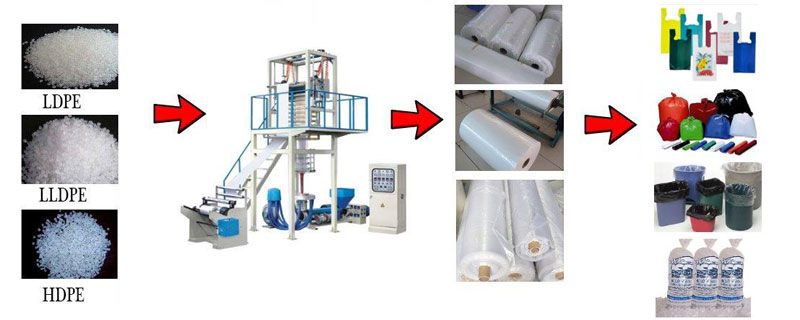
blown film extrusion

One of the primary variables is temperature control during the extrusion process. The temperature affects the viscosity of the molten polymer, influencing how well the material can flow through the film blowing machine. An optimal temperature must be maintained to achieve a uniform thickness and good clarity in the plastic film. Deviations can lead to issues such as uneven film thickness or reduced mechanical properties, impacting the overall film quality.

Extruder speed is another pivotal factor in the blown film extrusion process. A higher extruder speed can accelerate production but may cause challenges in achieving the desired film properties. Conversely, lower speeds could enhance the quality of the film product but may also result in reduced output. Therefore, a balance must be struck to maximize efficiency while ensuring that the final product meets stringent quality standards.

The die gap, or the distance between the die lips where the plastic is extruded, also significantly influences the outcome of the film blowing process. A correctly set die gap is essential to produce films of uniform thickness, which is vital for applications where even mechanical strength and barrier properties are necessary.

Cooling rate is critical as it determines how quickly the extruded film solidifies. This process affects the molecular orientation and crystallinity of the polyethylene, directly influencing the clarity and strength of the final product. Proper cooling facilitates the formation of a strong, uniform film that can be used effectively in various applications.

Lastly, material selection impacts the characteristics of the blown film. Different types of polyethylene may yield varying results in terms of thickness, strength, and clarity. Evaluating material options based on the specific requirements of the desired application is therefore essential in optimizing the blown film extrusion process.

Common Challenges and Solutions in the Process

The process of blown film extrusion, while effective for producing high-quality plastic films, is not without its challenges. Among the most prevalent issues faced by operators are bubble instability, uneven film thickness, and material degradation. Understanding the root causes of these problems and implementing appropriate solutions is essential to ensure a smooth operation and high-quality outputs from the film blowing machine.

Bubble instability is a prominent challenge in blown film extrusion that can lead to defects in plastic bags and other products. This instability is often caused by inconsistent cooling rates, fluctuations in extrusion speed, or variations in polymer viscosity. To mitigate this issue, it is crucial to maintain a stable melt temperature, optimize the cooling air flow, and ensure that the die gap is uniform. Monitoring and adjusting these parameters can help stabilize the bubble and result in a more uniform plastic film.

Uneven film thickness can also pose significant challenges in production. This issue often arises due to non-uniform die thickness or irregularities in the melt flow rate. To overcome this problem, manufacturers should regularly calibrate their film blowing machines and utilize advanced die designs that promote even material distribution. Additionally, employing real-time thickness measurement technology can provide valuable data that guides immediate adjustments, leading to improved consistency in the final product.

Finally, material degradation can compromise the integrity of the polyethylene used in the blown film extrusion process. High temperatures and prolonged residence times in the extruder may lead to thermal degradation. To combat this, it is vital to monitor processing temperatures and minimize residence time. Utilizing high-quality resin with good thermal stability and ensuring proper maintenance of the extrusion equipment can also reduce the likelihood of material degradation.

By proactively addressing these common challenges in blown film extrusion, operators can enhance the production process and achieve higher-quality plastic films, which are crucial for various applications.

Future Trends in Blown Film Extrusion Technology

The blown film extrusion process has witnessed significant advancements in recent years, showcasing a continuous evolution toward greater efficiency and sustainability. With increasing global concern for environmental issues, one of the most prominent trends is the use of sustainable materials in manufacturing plastic film. Companies are exploring bio-based polymers and recycled polyethylene to reduce their ecological footprint. This shift not only aligns with regulatory requirements but also meets the rising demand for eco-friendly plastic bags and packaging solutions from consumers.

Automation plays a critical role in enhancing the blown film extrusion process. The integration of advanced technologies, such as Industry 4.0 solutions, enables manufacturers to improve production efficiency. Automated controls and monitoring systems allow for real-time adjustments in the extrusion process, thus enhancing the quality of the plastic film produced. Moreover, this increased automation helps in minimizing human errors and reducing operational costs, making it an attractive prospect for new and existing manufacturers of film blowing machines.

Energy efficiency is another key trend shaping the future of blown film extrusion technology. The adoption of energy-saving technologies and practices within the extrusion process not only lowers energy consumption but also boosts the bottom line for manufacturers. Innovations in machine design and the introduction of smarter equipment that optimizes energy use during production are becoming essential for companies aiming to remain competitive in a crowded marketplace.

Lastly, ongoing developments in film properties, such as enhanced barrier features and improved mechanical strength, are increasingly critical. Manufacturers are innovating formulations to create polyethylene producing multi-layer films that offer superior performance. These advances contribute to the versatility of plastic films in various applications, ensuring that they meet specific market demands. As blown film extrusion continues to advance, it is essential for industry players to stay abreast of these trends to leverage emerging technologies effectively.

Privacy Policy Powered by Wordpress. Redesign Theme by RT